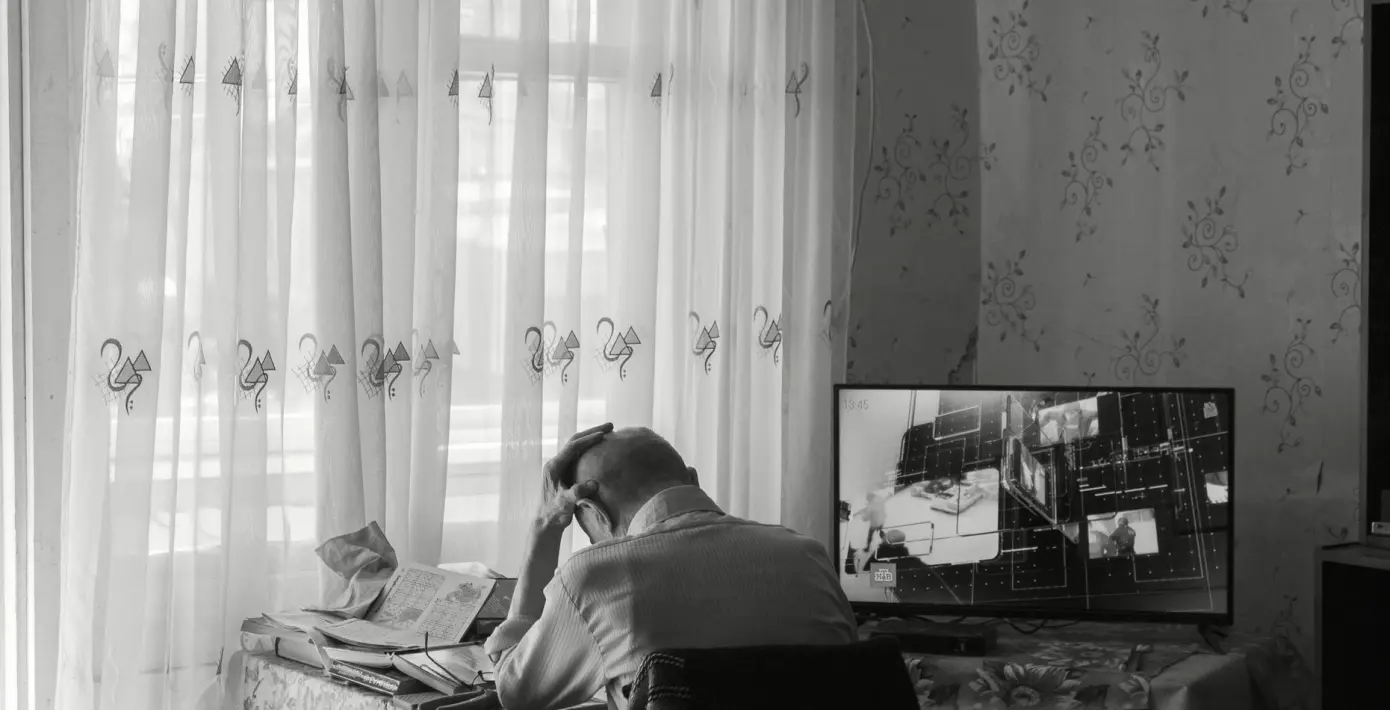
A cramped gallery, a rearranged desk and a calmer Saturday show
Rosalind ran a small studio gallery where the vision mixer and the replay desk kept tripping over each other. This is how a written layout review changed the way her crew worked.
The call from a studio that felt too small
Rosalind produces a weekly live panel programme from a converted room above a rehearsal space. When she first rang narravix in the early autumn, she did not ask for extra crew. She asked why her gallery felt so tense when the show itself was simple: four cameras, a handful of graphics and one replay source for packages.
I took the call because the problem sounded like one I know from the replay chair. She described the vision mixer and the graphics operator sitting shoulder to shoulder, the director leaning over to read a monitor, and the cue sheet sliding off the desk twice a show. None of it was dramatic, but together it wore the team down by the second half hour.
We agreed on a review of the room rather than a visit to the show. Nothing was promised beyond a written plan, which suited her.
What we looked at first in the room
The review started with a simple walk through the gallery during a quiet afternoon, with Rosalind and her technical lead explaining a normal show from first rehearsal to closing credits. I sat in each seat in turn, because a layout looks different from the replay position than from the director's chair.
We noted where each person looked, what they reached for and how often they had to turn their head. We traced the signal path from cameras to switcher to monitor wall, and wrote down every place where a source was labelled differently on the desk and on the screen.
By the end of the visit we had a rough sketch of the room and a list of friction points. Most were small. A few were the kind that cause a wrong cut on a busy night.
- Seating positions and sightlines to the monitor wall
- Signal flow from cameras to switcher and outputs
- Labelling of sources, buses and comms channels
- Where cue sheets, scripts and notes physically sit
The three problems the review found
The first problem was the monitor wall. The programme and preview screens sat low and off to one side, so the vision mixer angled their body to see them while the director, who needed the same view, craned over the top. Raising the main pair and centring them put both people in a natural line of sight.
The second was the replay desk. It had been wedged at the end of the bench, close to the door, and the operator could not see the switcher's preview at all. They relied on being told what was coming. Moving replay beside the graphics position let the two share one clear view.
The third was labelling. Camera three was called Wide on the switcher, Cam 3 on the multiview and Stage on the director's script. Nothing had gone wrong yet, but it was an accident waiting for a tired evening.
The written plan we handed over
Within the week Rosalind received a written plan, not a lecture. It set out the new seating order with a simple floor drawing, the monitor changes in the order they would be done, and a single naming scheme for every source, to be used on the desk, the multiview, the script and the comms.
We kept the plan modest on purpose. Nothing in it needed new equipment beyond a monitor stand and a few printed labels. Where a larger change would help, such as a second comms panel, we listed it separately as something to consider later rather than part of the main work.
A plan like this is only useful if the crew can follow it without us in the room, so each step was written in plain sentences and could be done in an afternoon between shows.
- A floor drawing of the new seating order
- Monitor positions, with the order to move them in
- One naming scheme for every source and channel
- A short list of optional changes for later
What changed on the following Saturday
Rosalind's team made the changes on a Friday, and I was asked to sit in on the next live show only as an observer. The first thing I noticed was how quiet the gallery was. Before, the director had spent the opening minutes relaying instructions across the room. Now the vision mixer and replay operator simply watched the same screens.
Mid show a guest ran long and the director dropped a planned package. The replay operator saw the cut coming on the preview and held the clip without being told. That small moment would have cost a muddled few seconds in the old layout.
Rosalind said afterwards that the show felt shorter. The programme had not changed. The room had stopped getting in the way of the people working in it.
What we took from this case
Cases like this are why I think a layout review is worth doing before anyone suggests hiring more people or buying more kit. Most of the strain Rosalind felt came from distances, angles and inconsistent names, all of which are cheap to fix once somebody writes them down.
I also learned again how much a replay operator sees that others do not. Sitting in that chair first made the plan better, because the person furthest from the director often hits the worst sightline problems.
If your gallery feels tense for no clear reason, start by watching where people look and what they have to ask each other. The answer is usually on the desk already.
- Watch where each person looks during a normal show
- Sit in every position before changing anything
- Fix naming and sightlines before buying equipment
A cramped gallery is not always a small problem, but it is often a solvable one. For Rosalind, a written review, a rearranged desk and one consistent set of source names made a live show calmer without new crew or large spending. If your control room feels harder to work in than the programme deserves, a review of layout, signal flow and monitoring is a sensible place to begin.