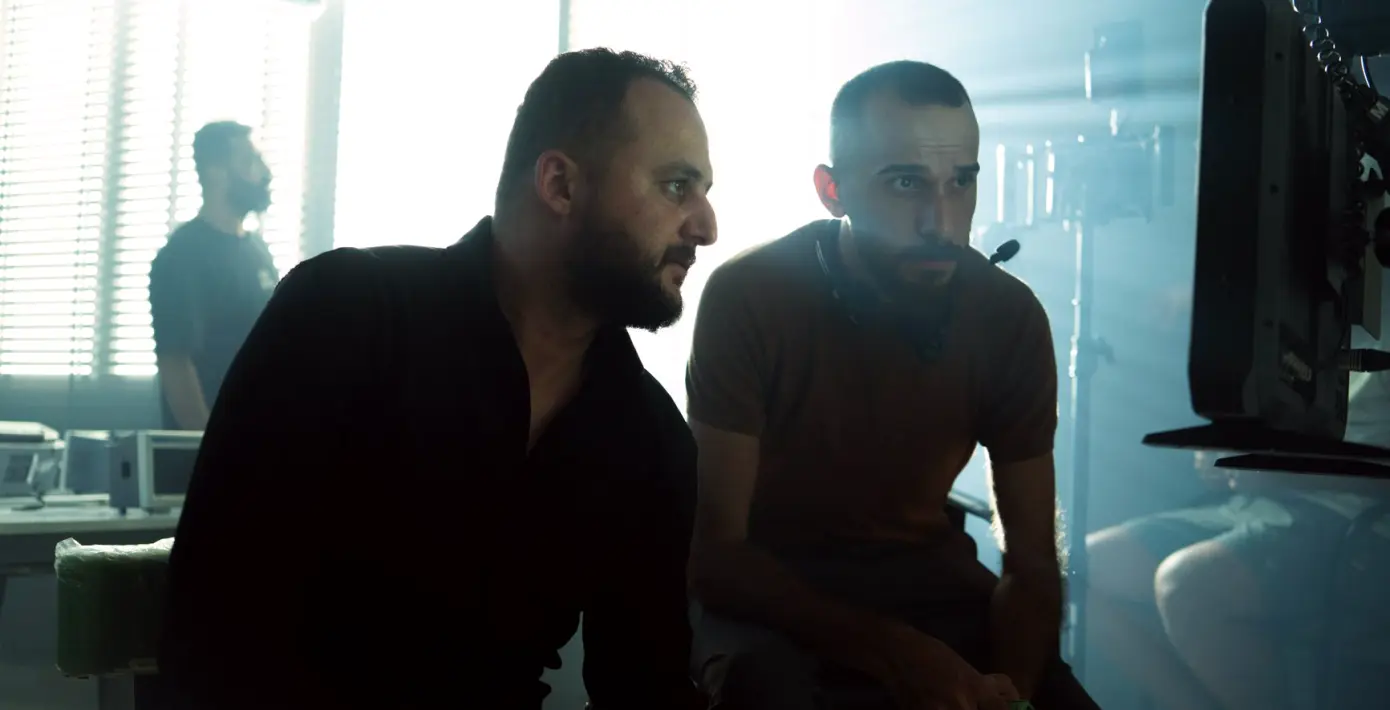
Inside the Gallery: How a Live Show Is Directed from Rehearsal to Air
A look at how our technical directors run a gallery team day to day, from the first rehearsal call to the last cue of transmission, and what keeps cameras, graphics and audio in step.
The work starts before anyone sits down
People often picture live direction as the moment of transmission, a calm voice calling shots over talkback. In practice most of the real work is finished by then. When I take a booking, the first thing I ask for is the running order and the camera plan, even if both are rough. A rough plan tells me how many cameras the show needs, where the graphics come in and which moments carry the most risk.
From that I build a gallery sheet for the crew: who sits where, which talkback channels they hear, and who owns each decision. Nothing about it is clever. Its value is that on the day nobody wonders whose job a problem is, because the sheet already says.
I also like to speak to the producer in person or on the phone before the day. Ten minutes about what matters most to them, a speech, a song, a close finish, tells me where to spend rehearsal time.
- Running order and camera plan, even in draft form
- Gallery sheet with positions and talkback channels
- A short call with the producer about priorities
Rehearsal is where the show is actually built
A rehearsal is not a run-through to prove everything works. It is the only time the whole gallery hears the director's language before it counts. I use it to settle how I call shots, how much warning I give before a graphic, and how the vision mixer wants cues phrased. Callum, for example, prefers a ready call a beat early on fast concert cuts, so we agree that before the first song.
We stop and repeat difficult sections as often as needed. A camera move that looks obvious on paper may block a second camera on the floor, and it is far better to find that with the artists absent than during transmission.
I keep notes in the margin of the script as we go, not afterwards. Memory is unreliable at the end of a long rehearsal day, and those notes become the cue sheet the gallery works from.
The language of the gallery
Talkback is a shared channel, so every word on it costs someone's attention. We keep calls short and in a fixed order: the warning, the name of the source, then the action. Ready camera two, take two. Nobody needs a sentence when a phrase will do, and nobody speaks over a call that is in progress.
Equally important is what is left unsaid. A director who narrates every worry teaches the crew to listen for worry. I try to keep my voice level whether the show is going well or a cable has just failed, because the crew take their pace from mine.
When something does go wrong, the first call is a plain statement of the problem and the fallback, then a name. Replay is down, go to camera three, Dan to confirm. Short, specific and finished.
- Warning, source, action, in that order
- One voice at a time on talkback
- Faults reported as problem, fallback, owner
Keeping cameras, graphics and audio in step
A gallery has three streams of work that must land together: pictures, graphics and sound. The vision mixer cuts, the graphics operator fires lower thirds, and audio follows the speaker. My job is to keep their timing tied to the same moments in the script rather than to each other's guesses.
We do this with the cue sheet. Every graphic has a trigger line from the script and a named operator. Every camera has its shot list. Audio cues are marked where microphones change hands. When all three read from the same page, they stay in step even when a presenter drops a line or an item runs long.
I also assign one person to watch the clock. Live shows rarely run to the minute, and someone has to tell me early, not late, how much time is left in the segment.
Transmission day, hour by hour
On the day we arrive early, check every source, and run the talkback and tally before anyone else needs the room. Comms checks are dull and I never skip them. A dead channel found at nine in the morning is a minor job; found at five minutes to air it is a crisis.
Once the show is close, I step the crew through a final stand-by. Each operator confirms they are ready in turn, which gives me a quick read on the room. If someone sounds hesitant, I would rather know now.
During transmission I try to talk less than in rehearsal. The decisions were made earlier. What remains is calling the show as written, listening for trouble, and keeping the gallery steady. Afterwards we hold a short debrief, while details are fresh.
- Source, talkback and tally checks first
- Stand-by roll call from each operator
- Short debrief straight after the show
What a producer can do to help the gallery
Producers often ask what they can do to make direction easier, and the answer is mostly about information. Send the script early, flag any late changes clearly, and tell us which moments cannot be missed. A last-minute change is rarely a problem if we hear about it with time to rehearse it.
Give the gallery one point of contact. When three people send different instructions during a show, the director has to arbitrate while also calling shots, and that is when mistakes happen. One agreed voice from your side makes our side quieter.
Lastly, let us rehearse properly. Cutting rehearsal time looks like a saving but it usually moves the cost to the transmission, where it is far harder to repair.
Good direction looks uneventful from the outside because the effort went in earlier: a clear plan, a rehearsal that tests the hard moments, a shared language on talkback and a gallery that knows its jobs. If you are planning a live show and want to talk through how it would be directed, get in touch and we will start with your running order.